
Energía
Economy in the Consume of Combustible for Generation of Heat,
Using Mechanicals Elements and Method.
Technological Chapter
This presentation is based to obtain, thought the design of mechanical form, increasing the el calorific power in some combustible liquid, gaseous and pulverulent decreasing your consume in an important percentage.
Introduction
Actually we obtain heat using the combustion of one combustible (solid, liquid or gas) by its intrinsic calorific power, and we obtain only the heat proportionate by the total combustion of the combustible treated, with correspondent loss.
By that new process, we obtain more heat with the same quantity of conventional combustible, using the mechanical method, or decreasing the consumption of combustible (in a considerable percentage) for the same heat.
That new project can be used for different apparatus in heat generation in different industries, example:
Process
- Steels Industries.
- Chemicals Industries.
- Metallurgical Castings.
- Pharmaceutical Industries.
- Generation of Electrical Energy.
- Various Chemicals Process.
- Leader Industries.
- Textile Industries.
- Footwear Industries.
- Industrials Dryer's Shops.
- Clothing manufacturing.
- Drying Process.
- All Process to Vapor Generation.
Apparatus and Products
- Casting Furnaces.
- Industrials Boiling and All Types.
- Chemicals Reactors.
- Drying Furnaces.
- Humidification Furnaces.
- All Apparatus in Heat Generation.
Technology
To increase the heat in the combustion we need to create a vortex using the heat of the combustion and its calorific power, in the ascent of each helix of the vortex, through a cinematic action, increasing the force of the tornado in depth.
The principle is to create a vortex with the product of the combustion by copying one helix of the vortex, placing injection nozzles in a little range, in one way that the helix answers the mathematic equation of the helix of the natural vortex.
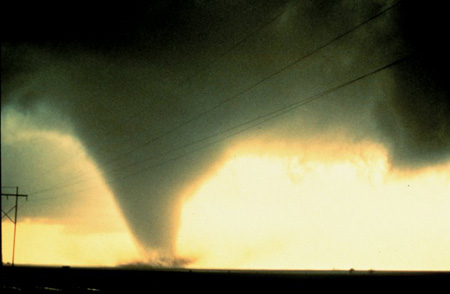
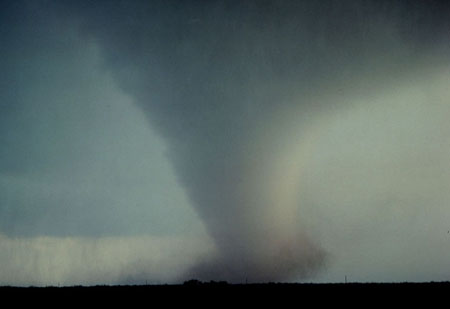
These nozzles have a form of exit from combustible slots versus the conventional orifice, that drawing in your conjunct the form of one helix.
Theses slots may be rectangular or ecliptics, in an objective to accelerate at the exit the pulverization of the drop of combustible, decreasing too the consume of the combustible, projecting with greater power the diffusion of the liquid, gas or coal powder.
Theses nozzles too have the function of orienting the combustible to obtain the mechanical form of the helix, because your internal gradient enclose a formation of one vortex.
By the design and disposition of the nozzles, it is also possible to obtain an alternative obstruction to increase or decrease the heat in different times if necessary, without deteriorate the effect of the helix formatted by the mechanical design.
Other variant to control the heat quantity created is by automatic variation of the injection pressure of the combustible.
Depending of the requirement of the project for the vortex (or necessary heat), it is possible to utilize the different depths inside the vortex, or the different power helix (displacing in the axe Z), to copy your draw according to the combustible utility, type of apparatus or process to warm and the different variants to solicit the necessity or utilization.
In some case is it is possible to study the possibility to increase the power of the vortex realizing a negative or positive pressure, according to the conditions of power required for the development of the place.
By this method it is possible to warm recipients (high or smalls) either in vertical or horizontal position, because the injection power is able to project in the axe X, obtaining the same effect of vortex because the distances of projection are shorts.
Other Possible Future Developments
There are possible developments for utilization in different apparatus for home or industries, that required heat systems, for example apparatus for the food industries, clubs or hotels, and small apparatus for sea or space navigation.